Showers require significant amounts of water and energy (for water heating) and present opportunities for greater efficiency and conservation. Literature often highlights the importance of financial incentives in promoting conservation behavior; however, students in residence halls lack the financial incentive to change shower durations. We are examining the effectiveness of feedback in promoting water (and associated energy) conservation behaviors in University Housing showers.
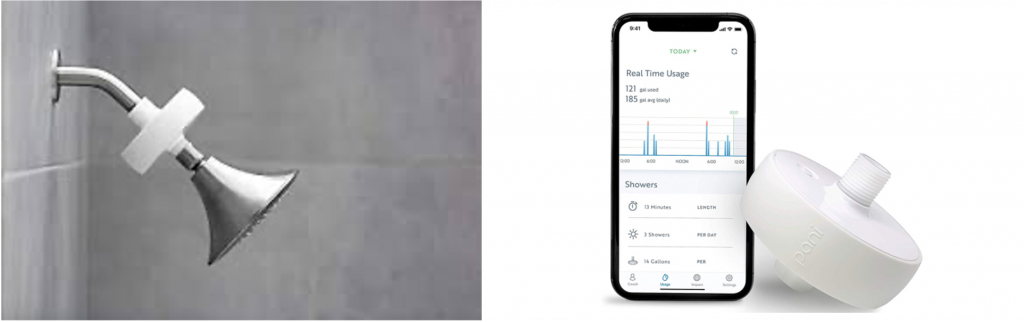
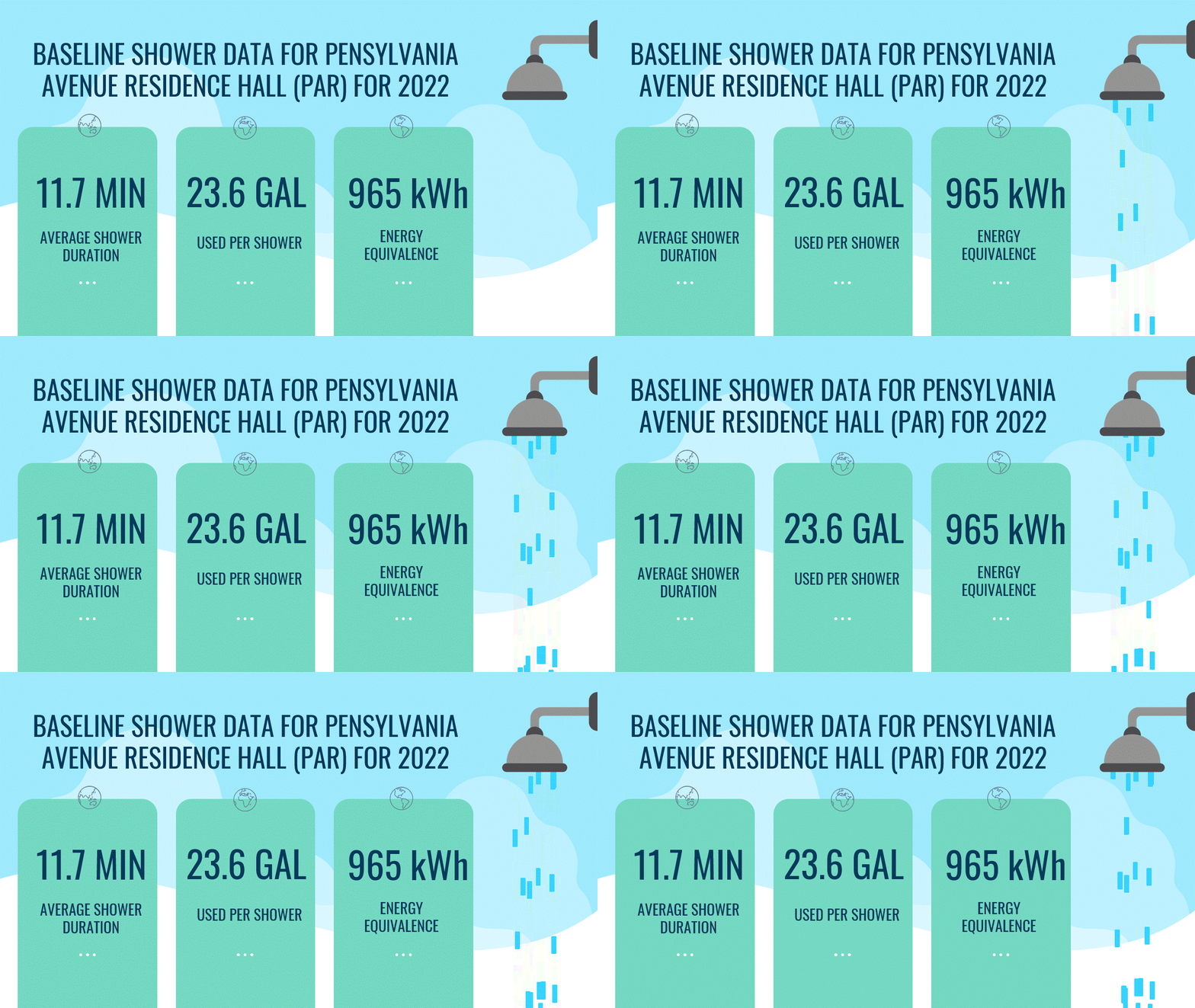
We have installed individual shower meters across several residence halls and are collecting control data to represent baseline shower duration and water use. With this baseline, we then implement various feedback methods to inform students regarding water usage and examine the behavior response through on-going shower water meter data collection.
For more information, contact M.S. student Vica Otrubina.